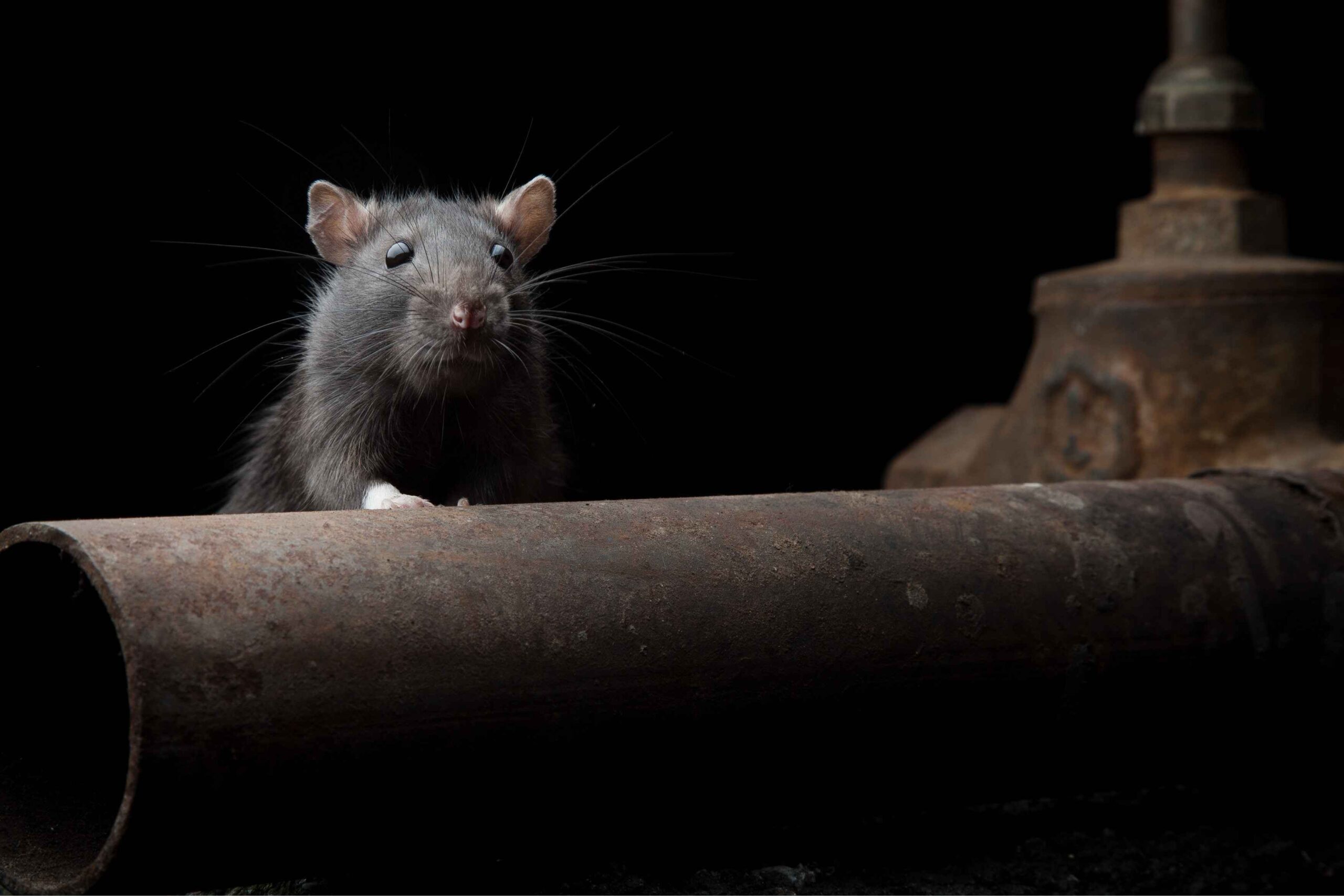
How do we stop urban rats before they become a problem? Evidence shows that a large share of urban rat populations—often cited up to 90% in dense cities—originate and circulate through the sewer system, making it a key underground reservoir and reinvasion route into buildings.
The Danish approach targets this source directly: installing rat blockers at sewer entry points to prevent rodents moving from the underground network into surface environments and buildings. This stops the problem before it emerges above ground, while keeping traditional integrated pest management (ipm) measures in place.
Over 350,000 Danish buildings already use rat blockers, and the solution has been referenced in national building guidance since 2012. It is a proven, scalable and cost-effective preventive infrastructure measure aligned with ipmprinciples of prevention, risk reduction, and reduced reliance on chemical control.
Traditional pest control remains essential: inspections, risk assessments, traps and sensor systems, targeted chemical use when needed, hygiene control, waste management, and structural sealing. However, rat blockers reduce pressure on these systems by addressing a major entry pathway at its origin.
The result is a layered approach: sewer-level prevention combined with above-ground ipmcreates stronger resilience, fewer reinfestations, and more stable long-term pest control outcomes in urban environments.